

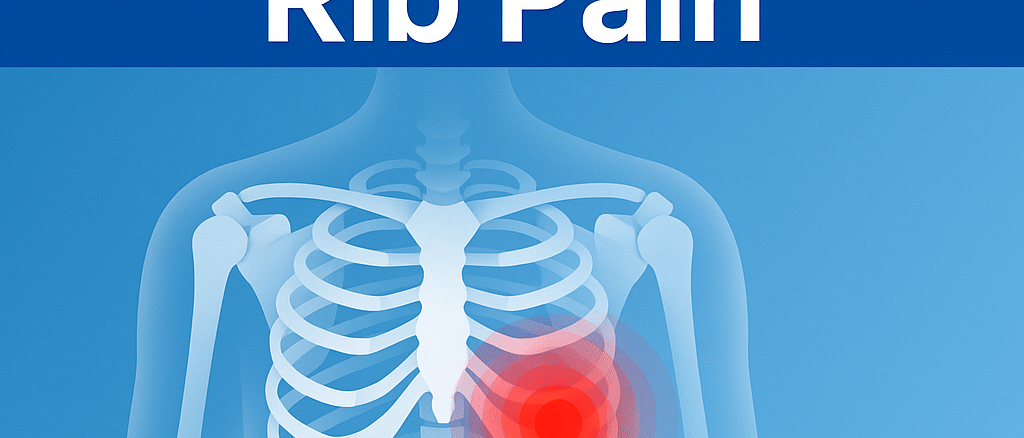
Rib pain is a common complaint in clinical practice, often caused by muscle strain, trauma, inflammation, or even internal issues. Correctly identifying and using the appropriate codes for rib pain is essential not only for accurate diagnosis and treatment but also for proper medical billing and claim approvals.
At ZanexMed, we understand the complexity of medical coding. That’s why we’ve created this straightforward guide to help healthcare providers code rib pain with clarity and confidence.
Common ICD-10-CM Codes for Rib Pain
R07.82 – Intercostal Pain
This is the primary code for rib pain that stems from the intercostal muscles or nerves between the ribs. It’s often used when the pain is musculoskeletal. This icd 10 intercostal pain code is also the appropriate intercostal muscle strain icd 10 code when dealing with soft tissue injuries between the ribs.
When to use:
- Pain between the ribs
- Costochondritis
- Non-traumatic chest wall pain
R07.89 – Other Chest Pain
Use this code when the rib pain doesn’t fit typical patterns or is not clearly defined. This rib pain icd 10 code applies to atypical presentations.
When to use:
- Generalized chest discomfort
- Atypical rib or upper chest pain
R07.9 – Chest Pain, Unspecified
If the documentation lacks specificity or the origin of pain is unclear, this code may be used. While this rib pain icd 10 cm code is acceptable, specificity is preferred.
Note: While this is acceptable, try to avoid it when more specific coding is possible — especially for insurance purposes.
Left vs Right Intercostal Pain: Does Laterality Change the Code?
A common question among coders is whether the left or right side affects the R07.82 code. The short answer is that R07.82 does not have built-in laterality modifiers in ICD-10-CM. However, clinical documentation should always specify the side — left or right — in the notes even if the code itself does not differentiate.
For the ICD-10 code for rib pain left side, R07.82 remains the correct choice when the pain is intercostal or musculoskeletal in nature. The same applies to the ICD-10 code for right rib pain. What matters most is documenting the exact location in clinical notes so that any future specificity updates in coding guidelines are easier to apply.
Trauma-Related Codes (For Rib Injuries)
If rib pain results from injury or trauma, the coding becomes more specific. These trauma-related ribs pain icd 10 codes include:
S22.3XXA – Fracture of One Rib, Initial Encounter S22.4XXA – Fracture of Multiple Ribs, Initial Encounter
These codes should include:
- The number of ribs involved
- The phase of care: initial (A), subsequent (D), or sequela (S)
For example: S22.4XXA – Multiple rib fractures after a car accident (first visit)
For cases involving icd 10 rib pain from fall or icd-10 rib pain from fall, use the appropriate S22 series code along with the external cause code. When dealing with contusion rib icd 10, use S20.2XXA for bruising without fracture. For left rib injury icd 10, specify laterality when documented.
For rib strain icd 10 or rib sprain icd 10 cases, use S29.011A (Strain of muscle and tendon of front wall of thorax). This sprain of ribs icd 10 code is appropriate for soft tissue injuries. General rib cage injury icd 10 cases may use S29.9XXA when specifics aren’t available.
Rib Pain from Fall ICD-10 — External Cause Coding
When rib pain results from a fall, ICD-10-CM requires not just the injury code but also an external cause code. This is especially important for insurance and workers’ compensation claims.
Step 1: Assign the injury code based on what is found — fracture (S22.3XXA or S22.4XXA), contusion (S20.2XXA), or strain (S29.011A).
Step 2: Add the external cause code:
- W19.XXXA — Unspecified fall, initial encounter (general fall)
- W10.XXXA — Fall on stairs or steps
- W18.XXXA — Other fall on same level
For ICD-10 left rib pain from fall, the injury code stays the same but clinical notes must document left side involvement. For ICD-10 rib pain from fall on right side, the same logic applies.
Leaving out the external cause code on trauma claims is a common reason for payer queries and delayed reimbursement.
Bruised Ribs ICD-10 Code
Bruised or contused ribs without fracture are coded differently from fractures. The correct code is:
S20.2XXA — Contusion of thorax, initial encounter
This is the appropriate bruised ribs ICD-10 code when there is no fracture confirmed on imaging. For a contusion rib ICD-10 on the left side specifically, documentation should note left laterality and the treating provider should specify this clearly to support the code selection.
For bruised rib ICD-10 cases that involve blunt force but no confirmed break, always check imaging reports before defaulting to a fracture code. Using a contusion code when a fracture is not confirmed protects against claim audits.
Muscular or Soft Tissue Pain
M79.1 – Myalgia
If rib pain is muscular (such as from strain, overuse, or postural issues), this code is ideal. This serves as the icd 10 code for muscle strain chest and icd 10 code for chest wall muscle strain when affecting the thoracic region.
For slipping rib syndrome icd 10, consider M99.03 (Segmental and somatic dysfunction of rib cage) when ribs are hypermobile. The costochondritis icd 10 or costochondritis icd code is M94.0 for cartilage inflammation. For nerve-related pain, the icd 10 code for intercostal neuralgia is M79.2.
When documentation requires the icd 10 code for rib pain left side or icd-10 code for rib pain left side, add laterality specifications to the appropriate code.
Costochondritis ICD-10 Code: Full Breakdown
Costochondritis deserves its own focused section because it is one of the most commonly searched ICD-10 conditions related to rib and chest wall pain.
M94.0 is the primary costochondritis ICD-10 code. It covers inflammation at the junction of the rib cartilage and sternum, which is the defining characteristic of this condition.
When to use M94.0:
- Confirmed or clinically suspected costochondritis
- Chest wall tenderness at the costochondral or costosternal junction
- Tietze syndrome (a specific subtype with visible swelling)
- Post-viral or idiopathic rib cartilage inflammation
Acute Costochondritis ICD-10: M94.0 applies to both acute and chronic presentations. When documentation specifies acute onset, use M94.0 and support it with clinical notes describing sudden onset and duration.
Right vs Left Costochondritis ICD-10: Like intercostal pain, M94.0 does not currently carry a laterality modifier. Document the affected side clearly in the encounter notes regardless.
Costochondritis ICD-10 vs R07.82 — What is the difference?
| Condition | Code | When to Use |
|---|---|---|
| Intercostal pain / chest wall pain | R07.82 | Pain between or along ribs, musculoskeletal |
| Costochondritis | M94.0 | Inflammation at cartilage-rib junction |
| Myalgia / muscle pain | M79.1 | Muscular origin, overuse or strain |
Confusing these codes is one of the most common reasons for claim rejection in chest wall billing scenarios.
Slipping Rib Syndrome ICD-10 Code: Complete Guide
Slipping rib syndrome (also called Cyriax syndrome or clicking rib syndrome) is an underdiagnosed condition where the lower ribs slip over each other due to hypermobility at the cartilaginous tips. Correct coding is important because it differs from standard rib pain.
The correct ICD-10 code for slipping rib syndrome is M99.03 — Segmental and somatic dysfunction of the rib cage.
Some coders also reference M94.0 for this condition, but M99.03 is the more anatomically accurate choice when hypermobility and mechanical dysfunction are documented.
Cyriax syndrome ICD-10: Also coded as M99.03, since Cyriax syndrome and slipping rib syndrome describe the same clinical entity.
Slipping rib syndrome ICD-10-CM code vs slipped rib syndrome ICD-10: Both terms refer to the same condition. Whether documentation says “slipping” or “slipped,” use M99.03 when rib cage segmental dysfunction is confirmed.
Key documentation requirements for M99.03:
- Physician must document hypermobility or mechanical dysfunction of the lower ribs
- Hooking maneuver findings should be noted if performed
- Exclude rib fracture before assigning this code
General Pain Codes
G89.1 – Acute Pain, Not Elsewhere Classified
Useful for acute pain conditions when the origin is known but doesn’t fit other coding options. This rib pain dx code works well for acute presentations.
For precordial catch syndrome icd 10 or icd 10 code for precordial pain, use R07.2 (Precordial pain). The r07.81 diagnosis code refers to pleurodynia for chest wall pain related to pleural inflammation.
For historical reference, the rib pain icd9 equivalent was 786.50, though all current documentation should use rib pain icd, icd10 rib pain, rib pain icd10, or icd 10 r rib pain formats. The appropriate code rib selection depends on clinical presentation.
Quick Reference Table: All Common Rib Pain ICD-10 Codes
| Condition | ICD-10-CM Code | Notes |
|---|---|---|
| Intercostal pain | R07.82 | Musculoskeletal chest wall pain |
| Costochondritis | M94.0 | Cartilage inflammation at rib-sternum junction |
| Slipping rib syndrome | M99.03 | Rib cage segmental dysfunction |
| Intercostal neuralgia | M79.2 | Nerve-related rib pain |
| Myalgia (muscle pain) | M79.1 | Muscular rib pain, overuse or strain |
| Rib contusion / bruised rib | S20.2XXA | Bruising without fracture, initial encounter |
| Single rib fracture | S22.3XXA | Initial encounter |
| Multiple rib fractures | S22.4XXA | Initial encounter |
| Rib strain / sprain | S29.011A | Soft tissue injury, thorax front wall |
| Atypical chest/rib pain | R07.89 | When presentation does not fit other codes |
| Chest pain unspecified | R07.9 | Use only when documentation lacks specificity |
| Precordial pain | R07.2 | Precordial catch syndrome |
| Pleurodynia | R07.81 | Pleural inflammation-related chest wall pain |
| Acute pain (NEC) | G89.1 | Acute pain not classified elsewhere |
ZanexMed Tip: Why Accurate Coding Matters
At ZanexMed, we’ve helped countless providers improve their medical billing workflows and reduce claim denials simply through better documentation and coding accuracy, whether it’s complex procedures or something as specific as identifying the correct codes for rib pain.
Rib pain might seem like a small complaint, but misdiagnosing it can lead to:
- Rejected claims
- Delayed reimbursements
- Compliance issues
Our team ensures that your claims are clean, complete, and compliant — the first time.
Correct ICD-10-CM coding starts with clear documentation. Make sure you:
- Identify whether pain is due to injury, muscle, or unknown causes
- Document location, severity, and duration
- Use specific codes wherever possible
Want help with your coding, billing, or revenue cycle management? ZanexMed is here to support you every step of the way.
What is the ICD-10 code for rib pain?
The most commonly used code is R07.82 for intercostal pain. However, the correct code depends on the underlying cause. Costochondritis uses M94.0, muscle pain uses M79.1, and trauma-related rib pain uses the S22 or S20 series.
What is the ICD-10 code for left rib pain?
R07.82 is used for left-sided intercostal or chest wall rib pain. ICD-10-CM does not have a separate laterality modifier for this code, but the treating provider should document left-side involvement clearly in clinical notes.
What is the ICD-10 code for costochondritis?
M94.0 is the correct ICD-10 code for costochondritis. It covers inflammation at the junction between the rib and costal cartilage, including Tietze syndrome.
What is the ICD-10 code for slipping rib syndrome?
M99.03 — Segmental and somatic dysfunction of the rib cage — is the appropriate code for slipping rib syndrome and Cyriax syndrome.
What is the difference between R07.82 and M94.0?
R07.82 is used for intercostal or musculoskeletal chest wall pain without a confirmed inflammatory diagnosis. M94.0 is specific to costochondritis, where cartilage inflammation at the costochondral or costosternal junction has been clinically identified.
What is the ICD-10 code for rib pain from a fall?
Use the appropriate injury code (S22.3XXA for single rib fracture, S20.2XXA for contusion, or S29.011A for strain) along with an external cause code such as W19.XXXA for unspecified fall.
What is the ICD-10 code for bruised ribs?
S20.2XXA is the correct code for bruised or contused ribs when no fracture is confirmed.